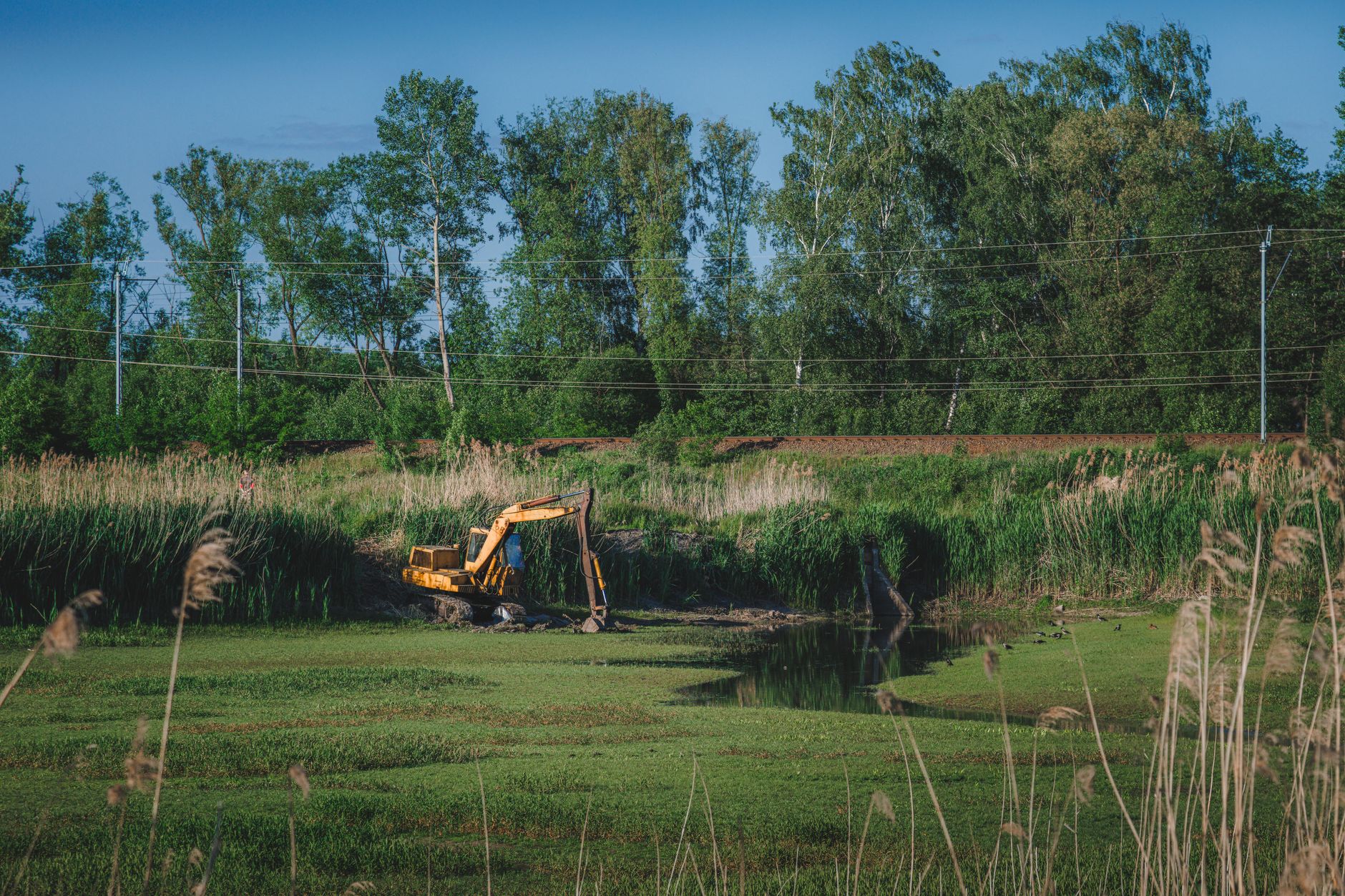
Walk-throughs usually happen within days, and most residential jobs finish within a week of starting.
- Clearing precise pathways for ranch fences, property lines, and hunting senderos.
- Mulching thick South Texas brush like huisache, blackbrush, and mesquite.
- Grubbing out deep roots along fence lines to prevent regrowth.
- Creating clean access roads for oilfield equipment and pipeline maintenance.
- Removing storm debris and fallen trees to reopen blocked paths after coastal storms.
- Using low-ground-pressure tracked equipment to protect soft, wet coastal soils.

Questions people ask about Right Of Way Clearing
Do I need a permit to clear a right-of-way in the Coastal Bend?
It depends on where your property is located. Inside Corpus Christi city limits, you often need permits for tree removal or work near wetlands. Rural areas in San Patricio or Jim Wells counties have fewer rules, but our network of local pros can help you find out what is needed before work starts.
Will the heavy machinery crack my concrete driveway or ruin my yard?
Heavy tracked machines can damage concrete and leave ruts in soft lawns. Skilled local operators plan their entry points carefully and use protective mats when crossing driveways. They use wide rubber tracks to spread out the weight on wet coastal soils.
What happens to all the cut brush and wood?
Most modern right-of-way jobs use forestry mulchers that shred the brush into a fine ground cover left on-site. This mulch protects the soil from erosion and stops weeds from growing back. If you need the material hauled away or piled for burning, you must agree on that before the work begins.
How do you make sure you do not hit underground pipelines or power lines?
Safety is the most important part of clearing narrow pathways. Local contractors call utility locating services to mark all underground lines before any machinery touches your property. This is especially important in South Texas because of buried gas lines and water pipes.
How long does a cleared right-of-way stay open before brush grows back?
In our warm climate, fast-growing plants like huisache can reclaim a path within a couple of years. If the roots are grubbed out, the path stays clear much longer. Regular shredding or light maintenance every two years is the best way to keep your pathways open.
New to this? The plain-English guide to ordering walks through what to decide first.