Walk-throughs usually happen within days, and most residential jobs finish within a week of starting.
- Deep root grubbing for mesquite and huisache removal to prevent aggressive re-sprouting.
- Forestry mulching to turn thick brush into soil-stabilizing ground cover without burn piles.
- Senderos and fence line clearing to keep ranch boundaries and gates accessible for work trucks.
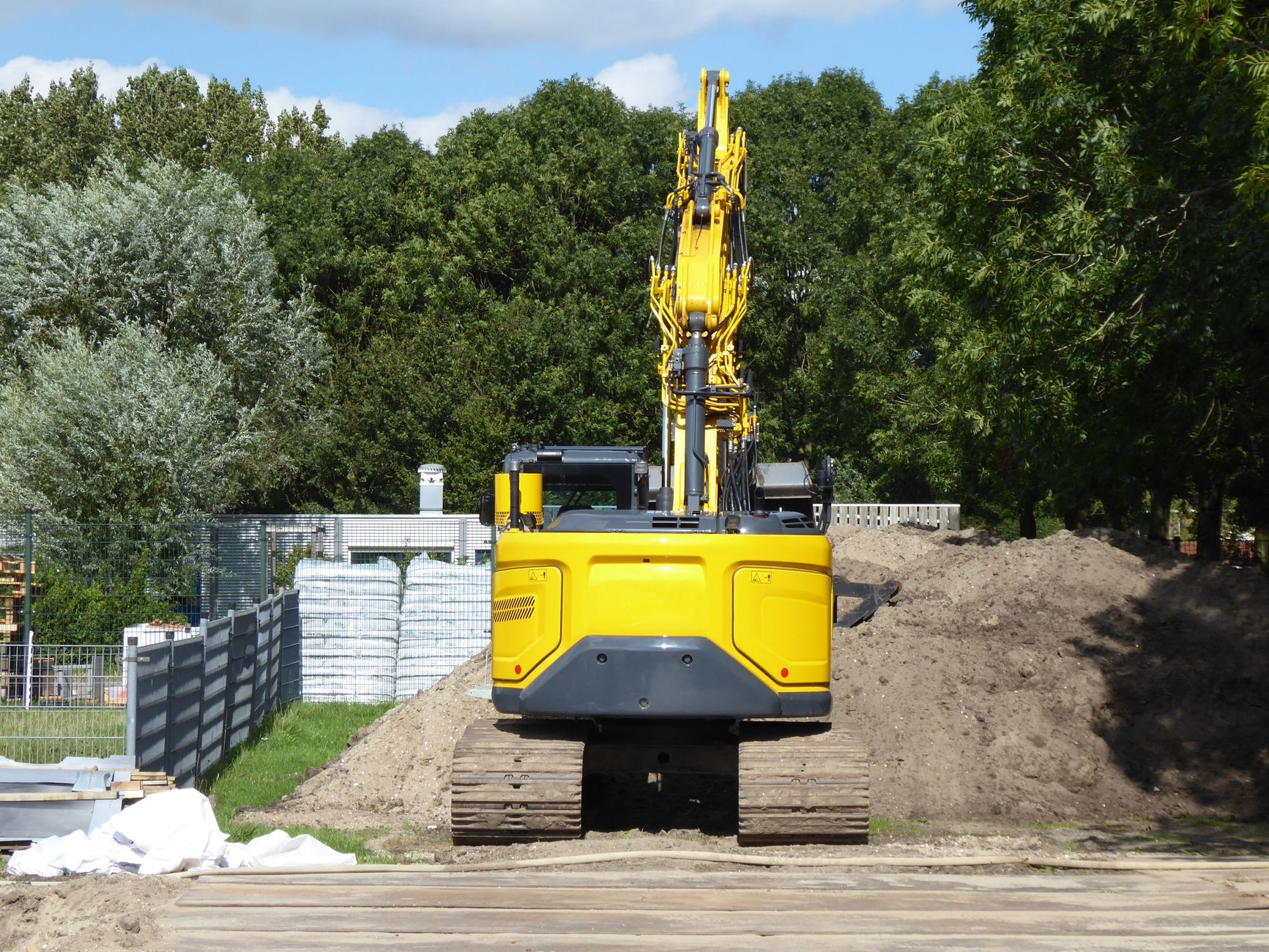
- Low-ground-pressure tracked machines to prevent severe rutting in wet Coastal Bend clays.
- Root raking and stacking to clean pastures so tractor mowers can run safely without tire damage.
- Underbrush clearing around stock tanks, windbreaks, and corrals across rural South Texas properties.

Questions people ask about Pasture Clearing Services
What is the difference between root grubbing and forestry mulching for a pasture?
Root grubbing pulls the entire tree and its main taproot completely out of the ground, preventing species like mesquite from re-sprouting. Forestry mulching shreds standing trees and brush into a thick layer of mulch on top of the dirt. Mulching works faster and preserves topsoil, while grubbing offers superior long-term control against regrowth.
Will clearing mesquite and huisache leave stumps that pop tractor tires?
If trees are only flush-cut or sheared at ground level, residual stumps can easily puncture tractor tires or trip cattle. Proper pasture clearing includes root grubbing or mulching below ground level to eliminate puncture risks. Make sure your contract specifies subsurface root removal or complete mulching.
Do I need a permit to clear brush off my pasture in the Coastal Bend?
Most rural pasture work in counties like Bee, Jim Wells, San Patricio, and Kleberg does not require municipal permits. However, if your property sits within Corpus Christi city limits, borders protected wetlands, or falls inside a regulated pipeline easement, environmental clearances or local permits may be required before operating heavy machinery.
Is haul-away, burning, or on-site mulching usually included in the job?
On-site mulching grinds wood into ground cover, eliminating the need to haul debris away. If you opt for bulldozing or root grubbing, debris is usually pushed into windrows or burn piles. Hauling brush off-site requires heavy log trailers and adds significant transport costs, so most ranch owners choose burning or mulching on site.
How do local contractors avoid damaging underground lines and pipelines?
Operators call Texas 811 to mark public utility lines before digging or grubbing roots. On South Texas ranch lands with active oilfield infrastructure, operators coordinate directly with pipeline companies to locate buried high-pressure lines, gas pipes, and private stock water lines before heavy equipment hits the pasture.
New to this? The plain-English guide to ordering walks through what to decide first.