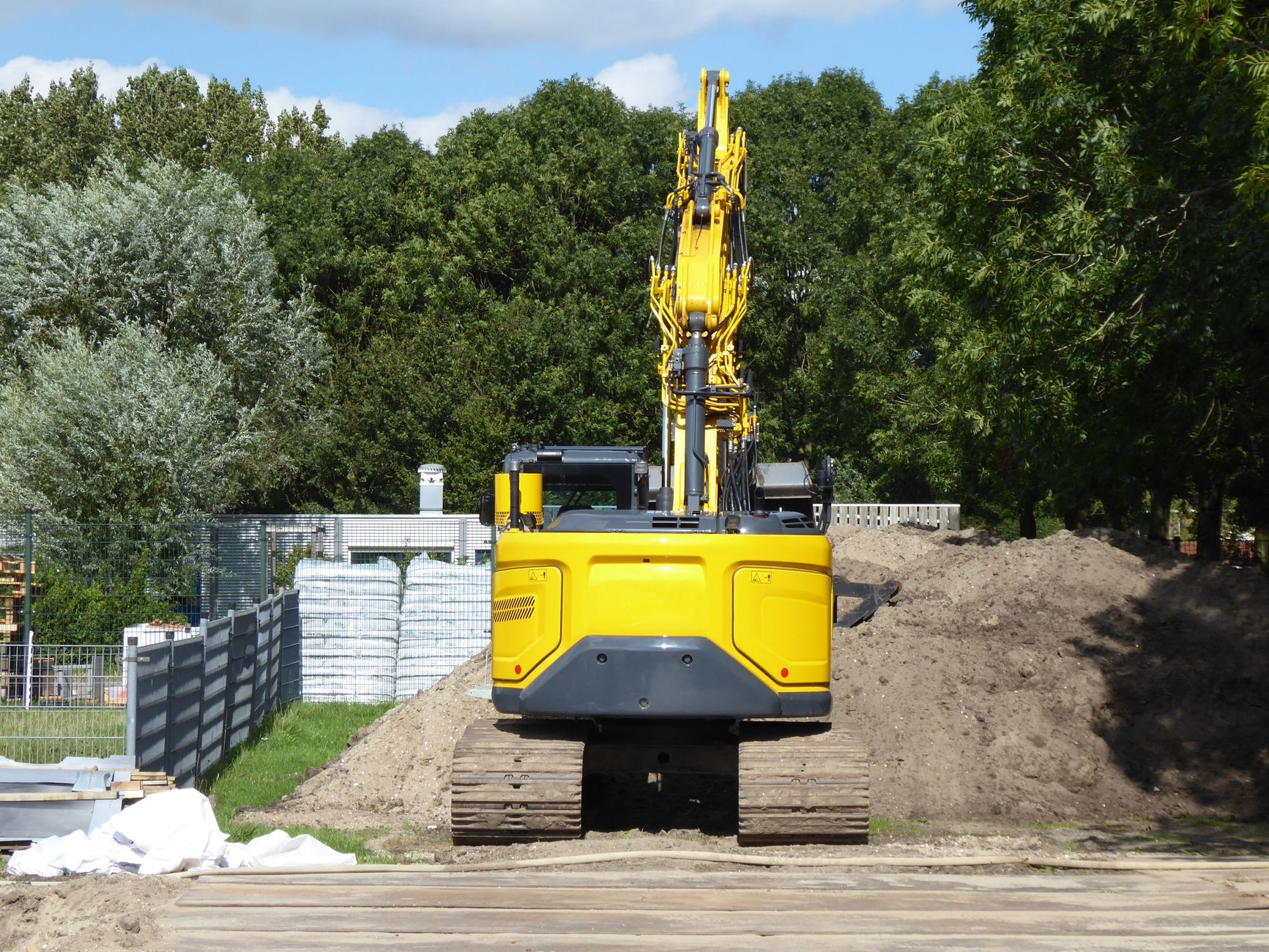
Gulf storms drop trees in tangles that a chainsaw alone should not fight: trunks under tension, root balls half-lifted, and everything interlocked. Machine work makes it safe and fast, and around hurricane season local operators run these jobs constantly.
Insurance often plays a role, so photograph everything before cleanup starts and keep the operator's itemized invoice. If an adjuster is involved, say so at the quote and the paperwork will match what claims want to see.
Fair warning about timing: right after a named storm every machine in the region is booked. Getting on a list early beats calling when the pile has sat for a month, and off-season is the cheap time to take out the leaners that will fail in the next blow.
- Downed and leaning tree removal with machines, not guesswork
- Photograph-first process that keeps adjusters happy
- Haul-off or stage-at-the-road, your call
- Off-season removal of the trees that will not survive the next one

Questions people ask about Storm Debris Cleanup
Will insurance pay for storm debris removal?
Sometimes, and it depends on the policy and what the debris did. Removal tied to covered damage, like the tree that came through the fence or onto the roof, is often part of that claim, while general yard cleanup frequently is not. Photograph everything before cleanup starts and ask your carrier what your policy actually covers, because policies differ and the pictures protect you either way.
How fast can somebody come after a hurricane?
Honestly, it depends on how bad the event was, because after a big one every crew in the region is working daylight to dark and triaging hazards first: trees on houses, blocked drives, lines down. Getting on a list early matters, and so does using a local crew that is still working your area in week three, after the out-of-town wave has moved on.
Should I separate my debris piles for county pickup?
If your county or city announces a pickup, yes, and the standard ask is vegetative debris in one pile and construction material in another, unbagged, at the right-of-way without blocking anything. The rules vary by event and by county, so check the announcement. A crew can haul what the pickup will not take, which after a bad storm is often the bigger pile.
New to this? The plain-English guide to ordering walks through what to decide first.